CapCut vs VideoShow Powerful Comparison for Easy Video Editing
In the rapidly evolving landscape of mobile content creation, selecting the right video editing software is paramount for creators aiming to produce professional-grade content. As we navigate through 2026, the demand for sophisticated yet accessible editing tools has reached an all-time high. Two heavyweights continue to dominate the discussion: ByteDance’s powerhouse, CapCut, and the long-standing favorite, VideoShow. Both applications offer unique ecosystems designed to simplify the post-production process, but they cater to slightly different demographics and workflow requirements.
This comprehensive guide provides an in-depth analysis of these two platforms, adhering to high standards of expertise and trustworthiness. We will dissect their features, performance metrics, and usability to determine which editor reigns supreme in the current year. Whether you are a social media influencer, a small business owner, or a casual hobbyist, understanding the nuances between these tools will help you streamline your creative process.

CapCut vs VideoShow – Overview
When comparing CapCut vs VideoShow, it is essential to understand the core philosophy behind each application. CapCut has surged in popularity primarily due to its symbiotic relationship with TikTok and its advanced, AI-driven features that cater to modern, fast-paced storytelling. It is designed for creators who need high-impact visual effects, seamless transitions, and trending audio synchronization.
Conversely, VideoShow has established itself as a reliable, user-friendly tool that focuses on simplicity and theming. It has historically been the go-to choice for users who want to create photo slideshows, vlogs, and family videos without getting bogged down by complex timelines or keyframe animations. While CapCut pushes the boundaries of what is possible on a mobile device, VideoShow focuses on stabilizing the basics, offering a more traditional approach to mobile editing.
Overview of CapCut
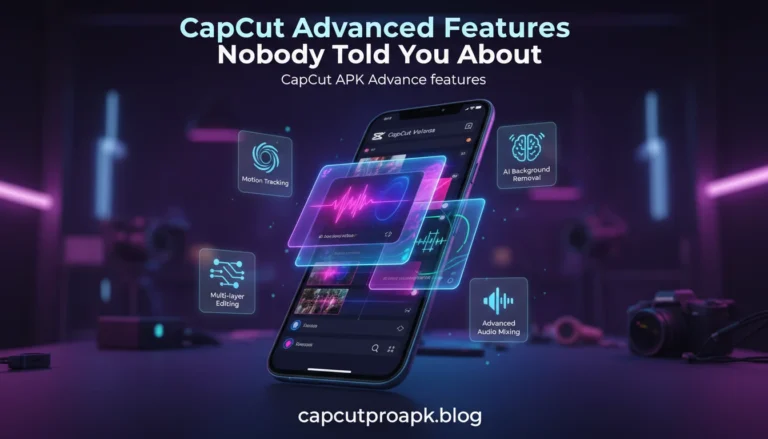
CapCut, developed by ByteDance, has evolved from a simple companion app for TikTok into a full-fledged editing suite that rivals desktop software. In 2026, it stands as a testament to how far mobile processing power has come. The application offers a multi-layer timeline, chroma key (green screen), keyframe animation, and a vast library of stock assets. Its greatest strength lies in its ability to keep up with trends; new templates and effects are added almost daily to reflect the current viral landscape.
For creators looking to compare CapCut vs VideoShow, the former offers a distinct advantage in terms of professional-grade tools available for free. The integration of AI captions, auto-cutout features, and stabilization algorithms makes it a powerhouse for efficiency. It allows users to produce content that feels highly produced with minimal manual effort.
Overview of VideoShow
VideoShow has a legacy of being one of the first comprehensive video editors available on the Android and iOS markets. Its interface is colorful and icon-driven, making it incredibly accessible for beginners or younger demographics. Unlike CapCut’s sleek, dark-mode professional aesthetic, VideoShow presents a more playful environment. It excels in pre-made themes where users can simply select a mood (e.g., “Travel,” “Love,” “Vintage”), and the app automatically edits the footage to match the music and style.
For those seeking extensive resources and tutorials, platforms like capcutproapk.blog often discuss how these legacy apps compare to modern giants. VideoShow also includes a robust doodle feature and voice changer, which appeals to vloggers and gamers. However, it often leans heavily on its VIP subscription model to remove watermarks and unlock HD export, which is a critical factor for professional users.
CapCut vs VideoShow Features Comparison
The feature set is where the divide between the two applications becomes most apparent. CapCut is built for granular control. It supports picture-in-picture (PIP) overlays, intricate masking, and advanced color grading curves that are typically found in desktop software like Premiere Pro. The audio library is synchronized with TikTok’s database, ensuring creators always have access to trending sounds.
VideoShow, while robust, operates on a more template-based system. It offers excellent text styles and stickers but lacks the precision of keyframe animation found in CapCut. Additionally, VideoShow’s transition effects are more “classic” (wipes, fades, slides), whereas CapCut offers dynamic 3D zooms and motion blur effects. Many advanced users search for the CapCut Pro APK to unlock specific premium filters and cloud capabilities that elevate these features even further, bypassing the limitations often found in standard free versions of competitors.
Ease of Use and User Interface
Usability is subjective, but the interface design dictates the learning curve. CapCut utilizes a magnetic timeline approach which is intuitive for anyone who has done video editing before. The tools are logically grouped: “Edit,” “Audio,” “Text,” “Stickers,” and “Effects.” This clean organization allows for a rapid workflow once the user is familiar with the icons. The gesture controls—pinching to zoom the timeline, dragging to trim—are responsive and precise.
VideoShow takes a different approach. The landing screen is a dashboard of options like “Video Edit,” “Super Camera,” or “Trim.” Once in the editor, the timeline is less prominent, with a greater focus on the preview window and the bottom carousel of themes. For absolute beginners, VideoShow might feel less intimidating initially because it hides the complexity. However, for users attempting to perform precise cuts to the beat of a song, CapCut’s interface provides significantly better visual feedback and control.
Performance and Stability
In 2026, performance optimization is critical, especially when handling 4K footage or high-frame-rate files. CapCut is highly optimized for modern chipsets (Snapdragon 8 Gen 3+, Apple A18, etc.). It handles multi-layer rendering with impressive speed, rarely stuttering even when multiple effects are applied. However, users should be cautious with unofficial software; while the official app is stable, some users report rendering crashes when using an unsupported CapCut MOD APK on older devices.
VideoShow is generally lightweight and runs well on mid-range devices. It consumes less RAM compared to CapCut, making it a viable option for older phones. However, it can struggle with complex projects involving long durations or heavy file sizes, occasionally resulting in lag during the preview playback. Stability is generally good, but the rendering times for 1080p video are noticeably slower than CapCut’s optimized engine.
CapCut vs VideoShow for Android Users
The Android ecosystem is vast, and both apps have tailored their experiences for it. CapCut on Android integrates deeply with the file system, allowing for easy import of local music and fonts. It also supports the vast array of aspect ratios required for different Android devices. Advanced Android users often prefer the flexibility of the Cap Cut Pro APK, which may offer enhanced compatibility with external plugins or specific Android operating system variations that standard versions might miss.
VideoShow has a massive footprint on the Google Play Store with millions of downloads. It integrates well with Android’s sharing menu, allowing for quick uploads to WhatsApp, Instagram, and YouTube. For Android users who prioritize a quick “shoot and share” workflow without deep editing, VideoShow remains a strong contender. However, for those looking to push the hardware limits of flagship Android phones, CapCut utilizes the GPU more effectively for rendering graphics.
CapCut vs VideoShow for PC and Desktop
This is one area where CapCut has established a clear dominance. By 2026, CapCut offers a dedicated, fully functional desktop application for both Windows and Mac. This desktop version supports keyboard shortcuts, proxy editing, and a larger workspace, bridging the gap between mobile and professional desktop editing. It allows for a seamless ecosystem where you can start a draft on your phone and finish it on your PC.
VideoShow does not have a comparable dedicated desktop application. Users wanting to use VideoShow on a PC generally rely on Android emulators like Bluestacks or LDPlayer. While functional, this is a clunky workaround that lacks the native performance of a dedicated app. Consequently, users looking for a desktop experience might try to run the mobile Cap Cut Pro APK via an emulator, but they are far better off using CapCut’s native PC software, leaving VideoShow largely in the mobile-only realm.
Export Quality and Formats
The final output quality is the defining factor for any video editor. CapCut supports exporting in 4K resolution at 60 frames per second (fps), with options to adjust the bitrate for higher visual fidelity. It also supports Smart HDR exports, which is crucial for modern displays. The CapCut Pro APK is frequently sought after by enthusiasts because it ensures that these high-resolution export settings are unlocked and free from restrictive watermarks that compromise the professional look of the video.
VideoShow supports HD and 4K export in its VIP version, but the free version is heavily restricted, often capping quality at 720p or 480p with a watermark. The compression algorithm used by VideoShow tends to be more aggressive, which can result in slight artifacting in fast-motion scenes. For creators who demand crisp, artifact-free visuals for platforms like YouTube or Vimeo, CapCut’s export engine is objectively superior.
CapCut Pro vs VideoShow Premium
Comparing the premium offerings brings us to the value proposition. CapCut Pro (the subscription service) unlocks advanced features like cloud storage (100GB+), premium fonts, specialized AI effects, and advanced noise reduction tools. It functions on a monthly or annual subscription basis. Despite the fair pricing, the allure of the CapCut MOD APK remains strong for users trying to access these premium features without recurring costs, though this comes with security and stability risks.
VideoShow offers a VIP membership which is also subscription-based, or occasionally available as a lifetime purchase depending on the region. This removes ads (which are prevalent in the free version), removes watermarks, and unlocks the material shop. However, when comparing the sheer volume of assets and tools gained, CapCut Pro offers significantly more value for money. The gap between the free and paid versions of VideoShow feels like a paywall for basic necessities (like watermark removal), whereas CapCut Pro feels like an expansion pack for power users.
Conclusion
In the battle of 2026, CapCut emerges as the superior choice for the majority of content creators. Its integration of professional features, cross-platform compatibility, and AI capabilities places it leagues ahead in terms of functionality. VideoShow remains a charming option for casual users who value simplicity and themes over granular control. However, for anyone serious about growing their digital presence, mastering the CapCut ecosystem is the smarter investment of time and resources.